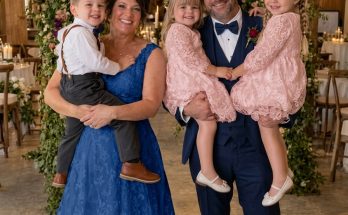
His name was David.
Widower.
Architect.
Fifty-six when we met.
I was fifty-four.
We met through a community board.
No sparks.
Then coffee.
Then six months.
I liked him.
That scared me more than I expected.
David owned a house.
I owned mine.
Both had adult children or nearly adult. His daughter was twenty-two.
Financially stable.
No obvious imbalance.
Still, I kept distance.
Separate everything.
Never leave belongings.
Never share keys.
Never discuss beneficiaries.
At first, reasonable.
Then rigid.
David asked after two years:
“Do you see us living together?”
I said:
“I don’t know.”
Truth.
Then:
“Do you want to?”
I did.
Fear.
I had turned independence into armor.
Oliver taught me not to sign blindly.
I had overlearned:
Never merge anything.
Rachel, still in my life professionally, said:
“Legal clarity does not require emotional exile.”
Annoying.
David and I discussed.
House.
Expenses.
Estate.
Adult children.
Care.
Months.
We each had counsel.
Cohabitation agreement.
Separate property preserved.
Shared household account.
Defined expense contributions.
No automatic title changes.
Healthcare powers limited and reciprocal according to our wishes.
Estate plan with specific provisions, not total merger.
Romantic?
Actually yes.
Because nobody hid.
David asked:
“Do you trust me?”
I said:
“Yes enough to write down what we mean.”
He smiled.
“That’s very you.”
Good.
We moved into a house we bought together.
Not mine.
Not his.
New.
Equal contributions adjusted through documented ownership shares? We could make 50/50 by deliberate choice after valuations. Fine.
We sold neither original immediately. Eventually I sold mine; David kept his rented for a period then sold. No rush.
The first night in shared home, I panicked.
Not because danger.
Because I had signed joint title.
Intentionally.
Read.
Counsel.
Time.
Choice.
Still fear.
David held my hand.
“Want to undo?”
“No.”
Good.
Trust includes tolerating uncertainty after informed choice.
No document can remove all risk.
If David later became cruel, title would complicate separation.
Life has risk.
The goal is not zero risk.
It is informed, proportionate risk with autonomy.
That was the lesson Oliver could never have taught me while we were together because his secrecy distorted it.
Years later, David and I married.
Yes.
At sixty.
Small courthouse ceremony and dinner.
Prenup finalized three months earlier.
No wedding trauma.
No blush runners.
I wore blue.
Children attended.
Harry walked me in? I didn't need. Let's not.
I walked myself.
Grace cried.
Lily took pictures.
Harry hugged David.
No one called him Dad.
Fine.
Marriage was not replacement.
David knew Oliver story.
Did not compete.
He once said:
“I’m glad you hung up when you did.”
I corrected:
“I ended the call after hearing enough.”
Then:
“And I’m glad too.”
Marriage with David had ordinary conflicts.
Money.
Travel.
His daughter borrowing car.
My need for planning.
No manipulation.
Some bad behavior.
Apologies.
Repair.
Safe did not mean effortless.
That mattered.
One day David forgot to tell me he moved $8,000 from joint savings to cover a contractor deposit.
Legitimate.
Still our agreement required discussion above $5,000.
I was furious.
Old wound.
He apologized.
Returned amount? Contractor already paid. We reviewed.
He had acted quickly because discount expired.
Reasonable context.
Still broke agreement.
We changed process:
Text approval sufficient in urgent timing.
No villain.
No:
You’re just like Oliver.
I almost said it.
Did not.
People deserve to be accountable for their own behavior, not cast in old role.
David never forgot again.
Trust strengthened not because no mistakes.
Because mistakes could be addressed without reality manipulation.
That was the relationship I had wanted all along.
Not perfect.
Transparent enough.
David also challenged my financial caution in a healthy way.
He liked generosity.
Big dinners.
Trips for children.
Unexpected gifts.
I found some of it irresponsible.
He found me rigid.
We had conflict.
Once he paid for a family beach rental without asking whether I wanted to contribute half.
I was angry.
He thought he was gifting.
I heard hidden obligation.
We stopped.
Clarified.
If gift, say gift.
If shared expense, discuss before booking.
Simple.
The trip still happened.
I enjoyed.
No resentment.
This may sound minor.
But naming terms matters.
Much of financial conflict comes from different assumptions around words.
Gift.
Loan.
Shared.
Owed.
Investment.
Oliver had blurred.
David and I learned to label.
That made generosity safer.
I also learned to receive.
When David paid for a trip as anniversary gift, I almost insisted on reimbursing.
Why?
Fear of owing.
He said:
“You are allowed to receive something.”
I thought about Sarah’s ledger.
I did not want to become opposite extreme where accepting creates panic.
So I accepted.
Then did not repay secretly through another expensive gift.
Just thank you.
That was harder than it sounds.
Healthy dependence requires receiving without immediate balancing.
Trust.
The marriage taught me that not every transfer creates leverage.
A gift can actually be a gift if giver releases it.
That distinction healed part of what Oliver’s paperwork had damaged.
Money became capable of warmth again, not only risk.
We still documented important things.
But not every dinner needed contract.
Proportion.
That is what maturity looked like for me.
David and I also chose not to merge every sentimental object when we moved.
He had his late wife’s belongings.
I had Dana’s things.
Old children’s art.
Wedding memories.
At first, I felt threatened by photographs of his late wife.
Then laughed at myself.
History.
He had loved before me.
So had I.
No competition.
That acceptance helped me keep one photo of Oliver with children without David feeling displaced.
He understood difference between memory and current commitment.
This mattered because emotional ownership can mirror financial ownership.
People sometimes think love requires deleting prior attachments.
No.
New relationship should have present priority where appropriate, not erase biography.
David and I built space for both histories.
That made our shared home richer.
Not cluttered? Sometimes cluttered.
But honest.
When downsizing later, we chose what to keep.
No forced preservation.
No forced erasure.
Choice again.
That word kept returning because it was the thing the overheard call had threatened most.
Click here to continue reading: PART 15: Sharon’s children became the adults she had tried so hard to protect, and their different lives taught her that good parenting is not preventing every risky choice but giving them enough truth to choose for themselves
Sharon’s first wedding-day change was not a public humiliation — it was a legal boundary Oliver immediately recognized because it blocked the paperwork he had planned to use after marriage
Part 14 of 16