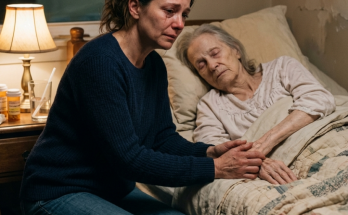
My mother’s memory didn’t disappear in a single, dramatic moment.
It slipped away gradually, almost politely at first. She misplaced her purse, missed lunch dates she had insisted on planning, told the same childhood anecdote twice in the same afternoon. We laughed it off. I told myself it was normal aging.
Until one morning she smiled at me warmly and asked if I lived nearby.
The doctor spoke carefully, choosing words meant to soften the blow—degenerative, uncertain, no clear timeline. My siblings absorbed the news like a business problem to be solved. They discussed facilities, budgets, and schedules with impressive efficiency. I listened without interrupting, already knowing I couldn’t leave her in a place where everything would feel strange and impersonal. I took her home with me, despite the warnings that it would consume my life, that she might never understand what I was giving up.
They were right about one thing: it changed everything.
I cut back my work hours. Then I lost my job entirely when flexibility stopped being an option. My savings slowly vanished into prescriptions, modified furniture, special foods, and small changes that made the house safer and less frightening for her. Some days were gentle. She would hum melodies from her youth or sit quietly, watching dust float through sunlight as if it were something magical. Other days were heavy—filled with agitation, questions she couldn’t finish, and eyes searching for answers I didn’t have.